

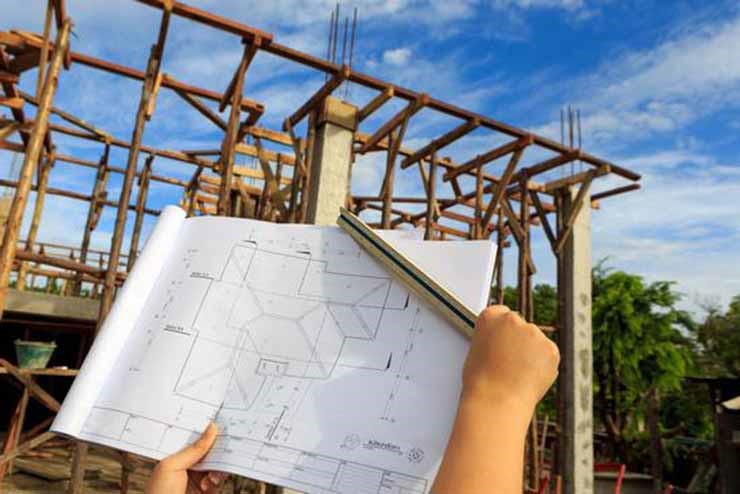
Interim Inspection and Evaluation of Construction Works
Stages of Construction Work
There are several stages of work typical of the construction of the object:
- preparation and arrangement of the foundation of the building;
- installation of load-bearing structures and partitions;
- arrangement of communications;
- processing;
- arrangement of external engineering systems and adjacent territories.
The value of control of work performed at each stage of construction
The duration and safety of use of any building depends on the quality of each stage of construction work. It is the intermediate assessment performed before the commissioning of the facility that will help to control all previous stages.
In addition, the acceptance of the stages of work performed is carried out in order to:
- coordination of actions of companies working under a construction contract;
- analysis of external factors influencing the course of work;
- checking the readiness of specialists and equipment;
- assessment of the rules of transportation of materials required for the construction of the object and their storage (because it directly affects the quality of construction work);
- work schedule checks;
- control of the order of construction of the object;
- assessment of the correctness of the relevant documentation;
- prevention of accidents at the construction site.
The results of the examination are formalized by the act of acceptance of the work performed. Each document is endorsed by representatives of technical supervision. The act of intermediate acceptance is a confirmation that a specific stage of work has been successfully completed and there are no claims to its quality.
What is checked at the Intermediate Evaluation of Construction Works
The intermediate evaluation of works includes the following measures:
- quality control of each stage of construction;
- observance of terms of work provided by the contract;
- quality control of materials, structures and equipment;
- compliance of stages with the made plans;
- control of compliance with the contract and other documents;
- reasonableness of spending money;
- compliance with technology and safety.
How the Interim Verification and Evaluation takes place
Interim inspection and evaluation of work performed is as follows:
- visual inspection of the object by a specialist who has the right to provide such services;
- measurement of technical parameters using various tools.
When accepting works, special attention should be paid to the foundations of the structure. This is due to the fact that the quality of the foundation largely depends on the safety and durability of the facility. In addition, after the construction of the building will be difficult to assess the quality of the foundation. For this reason, an intermediate act of acceptance of works on the arrangement of the foundation must be drawn up. When assessing the base, attention is paid to the type of material and the type of reinforcement used.
After inspection and examination of individual stages of construction and if all conditions are met, an act of intermediate acceptance of the object. It is certified by the supervisory authorities and passed to the customer. Without an act of intermediate acceptance of the building, construction cannot continue.
Interim Act of Completed Works
There is no unified form of the act of acceptance of results of works. This means that you can not follow any pattern when compiling the document. For convenience in drawing up an intermediate act, you can use the form KS-2, approved by order of the Ministry of Statistics. This form of the act of performed works is not obligatory, therefore the executor has the right not to adhere to it.
In the act on acceptance of stages of construction specify the characteristic of works. The following information must be specified:
- type of work;
- the price of each stage and the total cost;
- the place of construction of the object and other points that are important for the transaction.
The act of intermediate acceptance must also contain the following information:
- the date of the document;
- names of organizations-parties;
- signatures of the specialist responsible for drawing up the interim act, as well as the customer who accepted the document.
At the stage of approval of the form of the interim act, the accountant should ensure that it contains the details of the original document. This will avoid negative consequences, especially problems with the tax inspection.
After receiving the intermediate act, the customer has confidence in the quality of work performed, and there is an obligation to pay for the services of the contractor. Until the approval of this document, the contractor has no right to demand money from the client.
The act of acceptance of the completed construction of the object - a document that terminates the relationship between the customer and the contractor.